
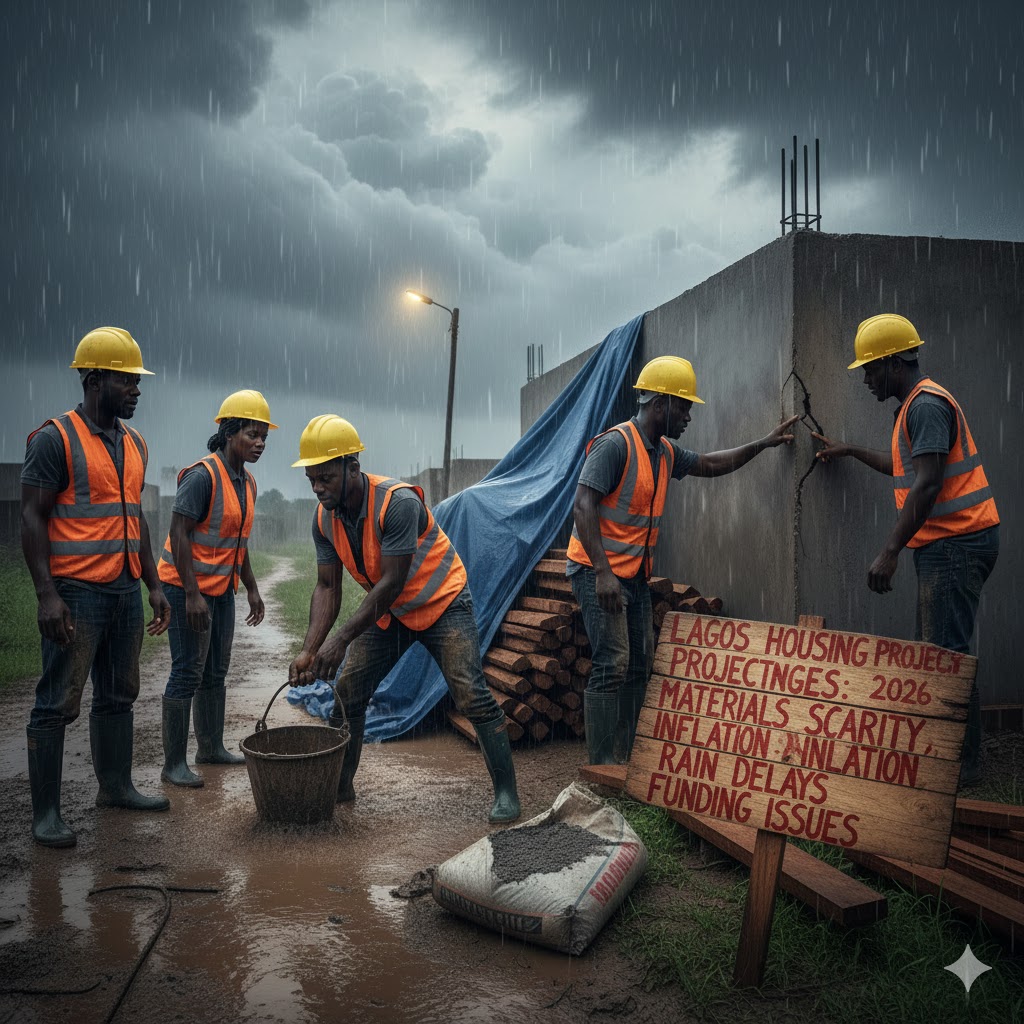

Building a house in Nigeria is a dream for many individuals and a major investment for families, developers, and investors. However, as the country prepares to enter 2026, the construction sector is expected to experience new pressures shaped by economic reforms, infrastructural gaps, and regulatory changes. These realities will influence how quickly projects can be completed, how much they will cost, and the ease or difficulty builders may face along the way.
For anyone planning to start construction, whether it is a family home or a commercial property, it is important to understand the major challenges that may arise. Knowing these obstacles ahead of time gives builders and homeowners the advantage of better planning, smarter budgeting, and smoother project management. The sections below highlight the key challenges likely to affect construction activities across Nigeria in 2026.
New Tax Policy and Increased Government Levies
In 2026, Nigeria is expected to implement new tax reforms to boost internally generated revenue. These changes may affect the construction industry in several ways:
- Higher import duties on cement additives, finishing materials, equipment, and electrical fittings.
- Increased land-related charges, such as survey fees, planning approvals, building permits, and environmental impact charges.
- VAT adjustments that may raise the prices of essential building inputs.
- Possible state-level infrastructure development taxes, most especially in fast-growing cities like Lagos, Abuja, Port Harcourt, Uyo, and Benin.
These added taxes can significantly increase construction cost, making it harder for builders to maintain their budget. Many projects may experience slowdowns as homeowners struggle to raise extra funds required to meet the rising levies.
Rising Cost of Building Materials
Inflation and high transportation costs continue to push up the prices of cement, iron rods, granite, sand, roofing sheets, tiles, and plumbing materials. By 2026, additional factors may worsen this situation:
- Exchange rate instability, affecting imported items such as W/C fittings, aluminum roofing, and marble tiles.
- Fuel price fluctuations, which increase haulage and delivery costs from quarries and factories.
- High production costs for cement manufacturers due to energy and logistics challenges.
Builders may find it difficult to estimate total project expenses because prices can change multiple times within the same month.
Shortage of Skilled Labour
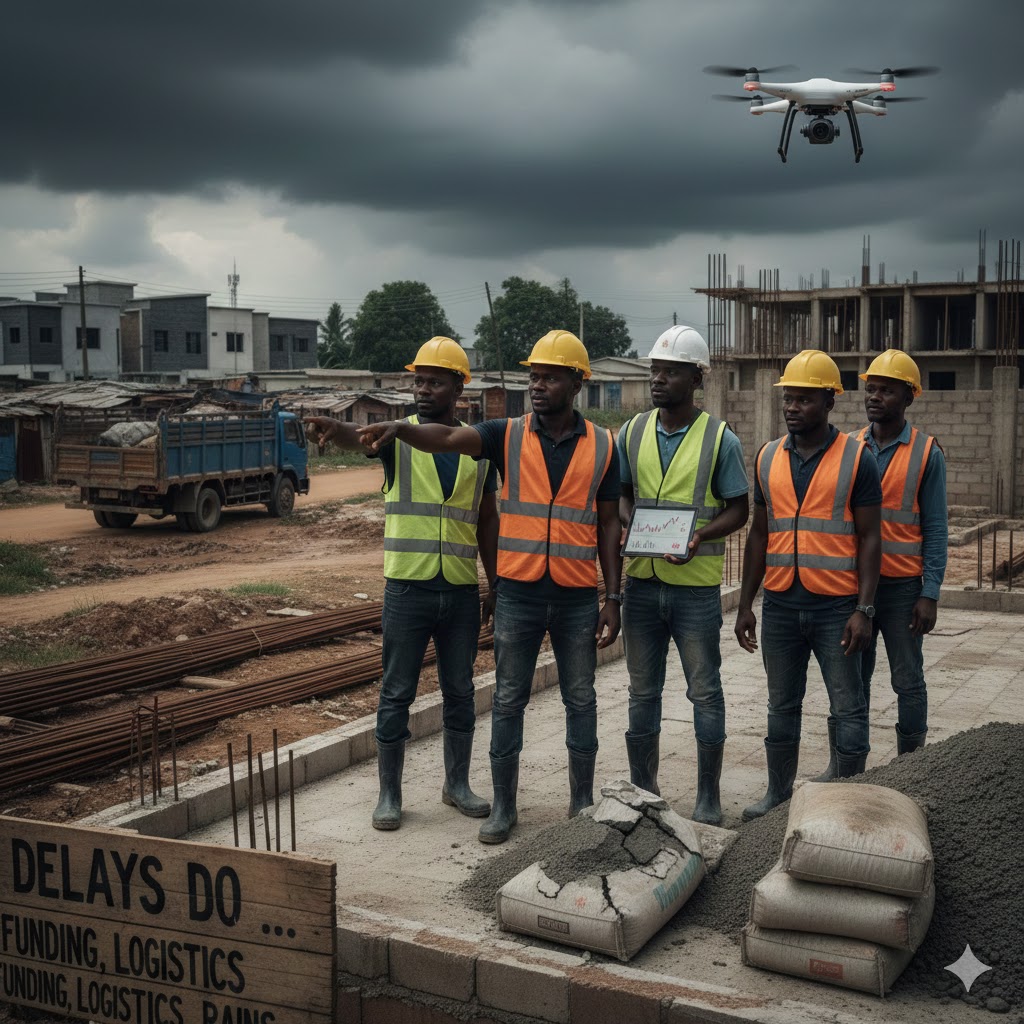
With many artisans migrating abroad for better job opportunities, Nigeria may face an even deeper shortage of skilled labour in 2026. This problem affects:
- Bricklayers
- Plumbers
- Electricians
- Tilers
- Carpenters
- Welders
The result is higher labour charges, reduced availability of experienced workers, and sometimes poor-quality workmanship from less-skilled substitutes. This can cause reworks, structural errors, and extended project timelines.
Unstable Economic Climate
Economic uncertainty affects construction from foundation to finishing. Builders may face:
- Sudden spikes in diesel prices for generators and machines
- Unexpected increases in equipment rental rates
- Difficulty sourcing funds as banks tighten lending policies
- Reduced purchasing power of clients, affecting cash flow during the project
When the economy fluctuates, most construction projects slow down or pause, leading to delays and increased overall cost.
Land Disputes and Documentation Problems
Land issues continue to cause setbacks for builders. Common problems include:
- Fake land documents issued by land grabbers or unauthorized individuals
- Double allocation of the same land to multiple buyers
- Lengthy and costly processing of Certificates of Occupancy (C of O)
- Delayed building permits from local planning authorities
- Disputes with local families or communities (omo-onile issues)
These issues can put construction on hold for months and, in extreme cases, lead to court cases or the loss of the property.
Poor Infrastructure and Accessibility
Many upcoming residential areas lack basic infrastructure such as:
- Good access roads
- Proper drainage
- Electricity
- Water supply
Transporting materials to such locations becomes difficult, especially during the rainy season. Trucks may get stuck, materials can get damaged, and workers may find it difficult to reach the site on time. These challenges slow down work and increase expenses.
Final Tips for Builders in 2026
To navigate these challenges successfully, builders should plan with a flexible budget that can absorb unexpected increases, understand the new tax policies to avoid financial surprises, and work only with certified professionals who can help prevent costly errors. It is important to carry out thorough due diligence on land before starting construction and to buy materials in bulk when prices are relatively stable. Builders should also schedule construction activities around weather patterns, use reputable suppliers to avoid delays or low-quality materials, and stay updated on government regulations that may affect project timelines or approvals. For more guidance and useful property insights, you can visit MyPlace.ng for helpful resources and listings.






Leave Your Comment