
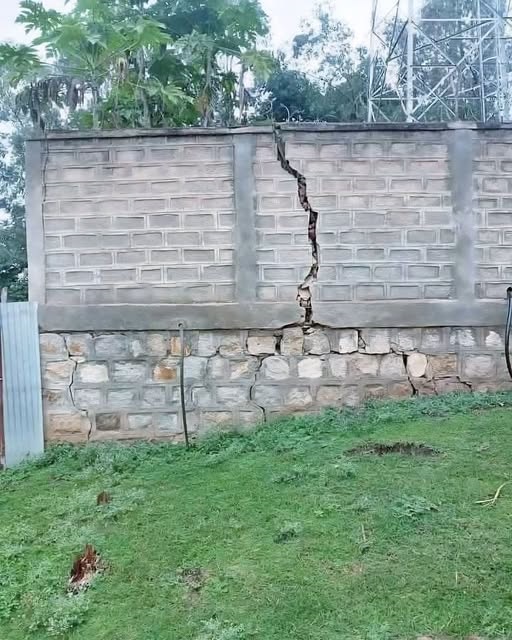

Visible cracks on fences, boundary walls, and building structures are clear indicators that something is wrong beneath the surface. While many people see these cracks as minor defects caused by age or poor finishing, they are frequently symptoms of deeper foundation-related problems that require immediate attention.
One of the most common causes of such damage is uneven foundation settlement. This occurs when parts of a foundation sink at different rates due to soil weakness, water intrusion, or improper construction practices. If this issue is not professionally addressed early, it can compromise the safety, durability, and value of the entire structure.
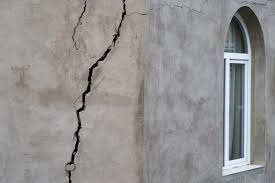
What Causes Uneven Foundation Settlement?
Uneven foundation settlement occurs when the ground supporting a structure fails to carry the building load evenly. This is often due to weak or unsuitable soil types, such as clay or waterlogged soil, which expand and shrink with changes in moisture. Poor soil compaction during construction, shallow foundation depth, or building without proper geotechnical investigation can also contribute to the problem.
In addition, excess moisture from poor drainage, leaking pipes, flooding, or a high water table can wash away fine soil particles, reducing soil strength. When different sections of the foundation rest on soils with varying bearing capacities, some parts sink more than others, leading to visible cracks, tilting, and structural misalignment.
Why Surface Repairs Don’t Work
Surface repairs such as plastering, crack filling, or repainting only treat the visible symptoms, not the root cause of the problem. Since the foundation continues to move due to ongoing soil instability, these cosmetic fixes usually fail within a short time.
Cracks usually reopen, widen, or appear in new locations, sometimes affecting doors, windows, and adjoining walls. Over time, repeated surface repairs increase maintenance costs and can create a false sense of safety, while the structural integrity of the building continues to deteriorate beneath the surface.
The Right Engineering Approach
A lasting solution begins with a professional structural and soil assessment to determine the extent of the settlement and its underlying causes. Based on the findings, engineers may recommend underpinning to strengthen and stabilize the foundation, soil stabilization techniques to improve bearing capacity, or improved drainage systems to control moisture around the structure.
In severe cases, partial demolition and reconstruction of affected sections may be necessary to restore structural balance. These engineering solutions are designed to stop further movement, redistribute loads properly, and ensure long-term stability and safety of the structure.
Final Tips
Structural problems should never be left to guesswork. Before cracks become major failures, connect with trusted engineers, masons, and building professionals who understand proper construction standards. Visit myplace.ng to find experts who can assess, advise, and fix your structure correctly from the foundation up.
For more practical building and finishing tips, take time to read our related articles such as:
How to Choose the Right Paint for your Project
Why Skipping Wall Screeding Can Cost You More than You Think







Leave Your Comment