
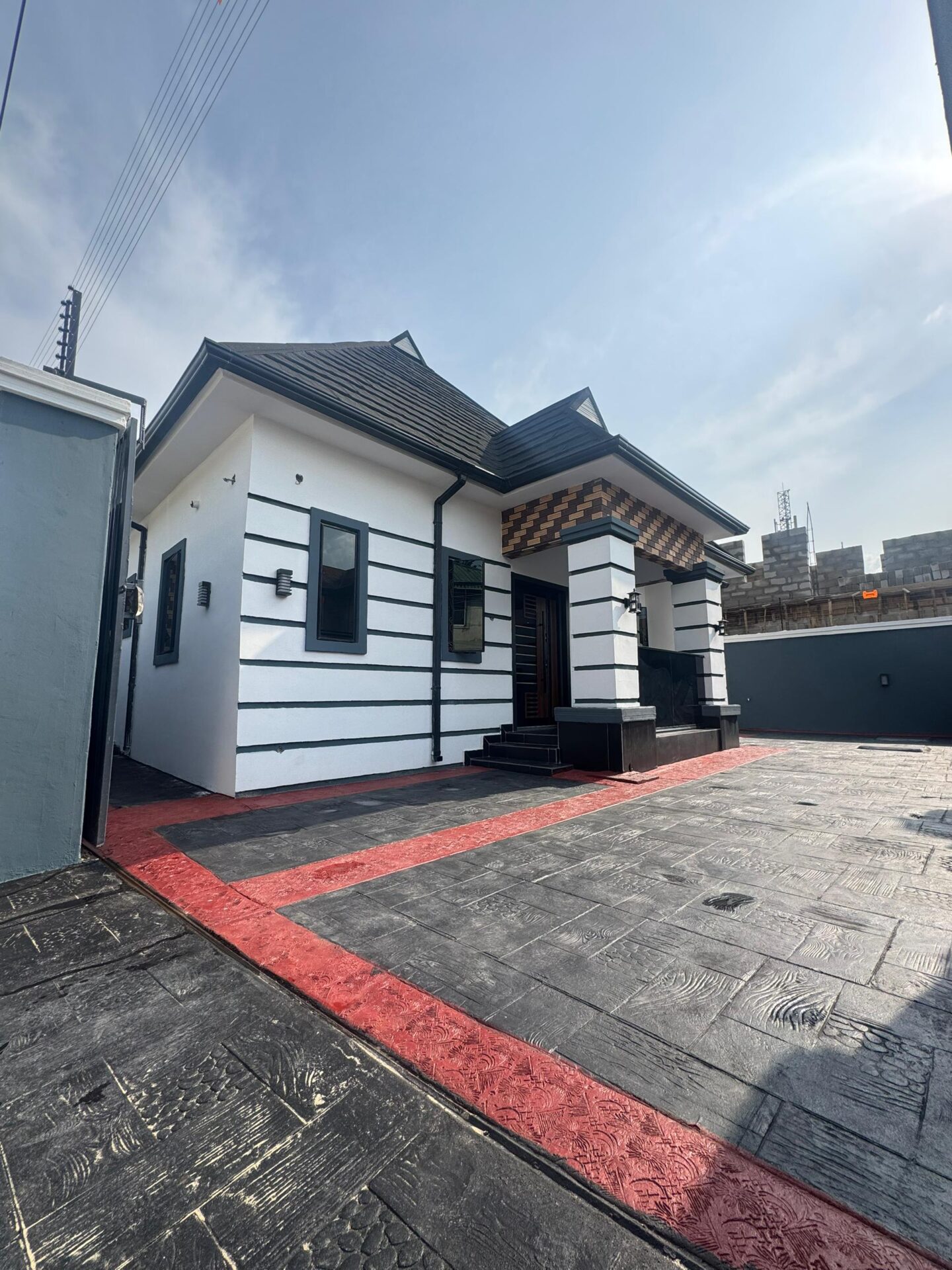

Building your own home remains one of the biggest investments a Nigerian can make. But before you start dreaming about door colors and furniture, the key question is: how much will it actually cost in 2026? With rising material prices, shifting labour rates, and fluctuating land values across states and communities, the final figure can vary widely. Yet with proper planning and realistic budgeting, building a 2-bedroom bungalow can still be achievable for many Nigerians.
This guide breaks down the essential cost components from land acquisition to finishing touches, so you know what to expect. Whether you’re a first-time builder, a couple saving up, or an investor planning multiple units, this cost breakdown will help you plan wisely and avoid unnecessary surprises.
By the end of this post, you’ll understand not just the numbers, but why they matter and how smart choices can stretch every naira further toward your dream home.
Land Cost
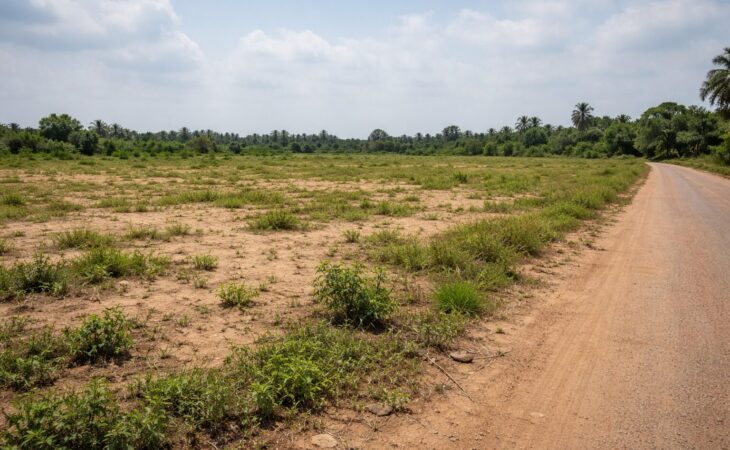
The first and often most variable expense is the cost of land. Land prices in Nigeria differ drastically depending on location. In major cities like Lagos, Abuja, or Port Harcourt, high demand pushes prices into the millions per plot. Secondary towns tend to be more affordable, while rural areas are cheaper but often require additional infrastructure such as roads and electricity. In many urban fringes in 2026, a typical 50ft × 100ft plot may range from ₦1,000,000 to over ₦10,000,000 depending on proximity to city centers and the level of development. Conducting proper checks, such as confirming survey plans and title documents, is essential to avoid legal complications in the future.
Foundation
Once land is secured, the foundation becomes the next major cost. A strong foundation is critical because Nigeria’s soil varies widely, from sandy to clay-heavy terrains, and poor foundations can lead to structural issues later.
A standard trench foundation for a 2-bedroom bungalow may cost between ₦300,000 and ₦800,000. Costs may rise if the soil is rocky or prone to flooding, requiring reinforced or deeper foundations. This stage includes excavation, sand, granite, hardcore, binding wire, and concrete. Even a simple soil test by an engineer can prevent expensive mistakes and save thousands in the long run.
Blocks and Cement
Blocks and cement form the walls and structural elements of the house, and their cost is significant. For a standard 2-bedroom bungalow, you may need between 5,000 to 8,000 blocks, with prices ranging from ₦350 to ₦500 per block depending on size and quality. Cement requirements typically range from 500 to 800 bags, with 2026 prices estimated between ₦6,000 and ₦8,000 per bag.
Buying quality materials in bulk from trusted suppliers not only ensures durability but can also save money. Labour is another considerable expense, covering foundation workers, block layers, carpenters, roof erectors, plumbers, electricians, and finishers. Labour costs in 2026 may range from ₦1,500,000 to ₦4,000,000 depending on skill level and location, with experienced artisans charging more but delivering better quality.
Roofing and Finishing
Roofing and finishing complete the bungalow. The roofing stage, which includes trusses, sheets, nails, and accessories, can cost between ₦1,200,000 and ₦2,500,000 for a simple aluminum roof, with more elaborate designs raising costs.
Finishing including plastering, tiling, painting, doors, windows, electrical fittings, plumbing fixtures, and kitchen and bathroom installations is where costs vary most, from ₦2,000,000 to over ₦6,000,000 depending on style and quality. This stage ultimately determines the home’s comfort, aesthetics, and livability.
Estimated Total Cost
At current rates, building a 2-bedroom bungalow in Nigeria may cost between ₦12,000,000 and ₦30,000,000+, depending on location, material quality, and finishing choices. With smart planning, verified professionals, and careful budgeting, your dream home can become a reality without unnecessary stress or overspending.
Start your journey today by finding land, sellers, engineers, masons, and artisans all in one place on MyPlace.ng.
Final Tips
Building a home in Nigeria requires careful planning, budgeting, and trustworthy partnerships. Always get multiple quotes from masons, engineers, and material suppliers to understand the realistic costs for your project. Plan for contingencies by adding 10–20% extra to your budget, as unexpected expenses often arise during construction. Using a professional engineer for structural decisions, especially regarding foundations and roof design, ensures safety and durability.
Verifying land paperwork before making payments is crucial to avoid scams or disputes, while tracking spending through a builder’s ledger or budget plan helps prevent overspending. Prioritize essentials during finishing and consider adding non-essential features gradually, as this can help manage costs without compromising the home’s functionality.
Read More Articles
Want to ensure your home lasts for generations? Check out Why Stability and Durability Matters More Than Aesthetics to learn why building with the right materials and structure beats flashy finishes every time.
Thinking about long-term value and family security, Read Why Building in Your Village is a Must in 2026 to understand the benefits of investing in your hometown while avoiding urban congestion and inflated costs.
Planning ahead is key. Explore our other guides on construction, budgeting, and property investment on MyPlace.ng to make every naira count.





Leave Your Comment