
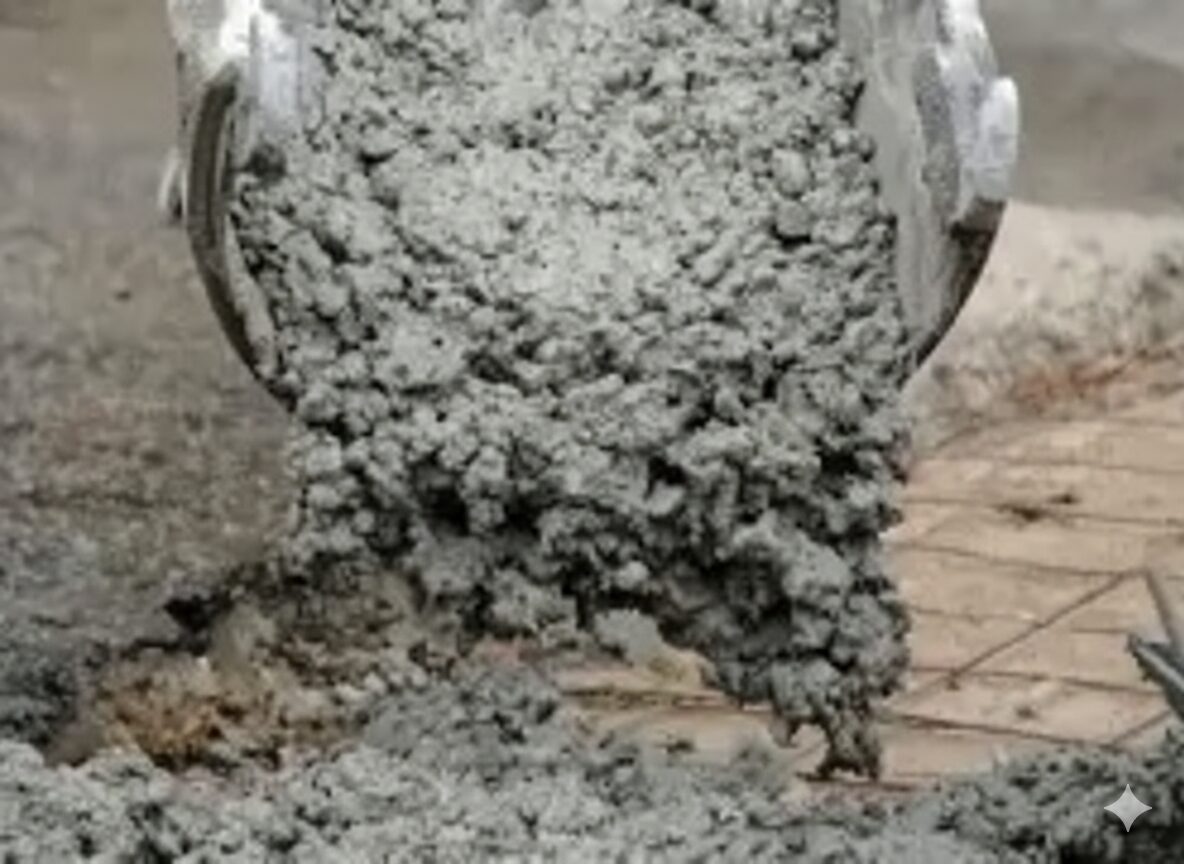

Many builders believe cement waste only happens when bags are stolen or when workers hide materials. But the truth is this: the biggest cement wastage happens right in front of you, during normal daily work on the site. Most of these losses look like routine construction activity, but they silently increase the total cost of your project without you noticing.
If you’ve ever wondered why your cement finishes too fast, why your budget keeps rising, or why your blocks and plaster don’t seem to last, the problem is not always theft. it is poor workmanship, wrong mixtures, or lack of supervision. Understanding the signs of waste will help you protect your investment and avoid unnecessary spending.
Your Mason Mixes Cement by Guessing Instead of Measurement
One of the most common causes of cement waste is when workers don’t follow standard mix ratios. If your mason simply scoops sand, adds cement and pours water “by eye,” the quality of your blocks and plaster will vary from batch to batch.
This guesswork always leads to:
- Weak blocks that break easily
- Rough or cracked plaster
- Excess cement used to “patch” mistakes later
- Buying more cement than necessary
A proper site must follow tested ratios like 1:4 or 1:6 depending on the work. Without measurement, every bag of cement becomes a gamble, and your project becomes more expensive than it should be.
Mortar is Always Left Over at the End of the Day
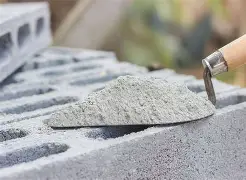
Another major sign of waste is leftover mortar that becomes hard overnight. Once mortar has set, it cannot be remixed or used again; meaning the cement inside it is permanently wasted.
This happens when:
- Workers mix huge quantities at once
- The mason does not calculate how much is truly needed
- There is no supervision to control batch sizes
A skilled mason mixes just enough mortar for the next one to two hours of work. Anything more than that increases the risk of cement loss when the leftover mixture hardens and is thrown away.
Blocks Break or Crumble During Offloading or Starking
If your blocks break while lifting, packing, or offloading from the truck, it is a sign of poor production. This poor quality normally comes from:
- Using too much sand and too little cement
- Adding excess water
- Using unwashed or clay-mixed sand
- Allowing inexperienced workers to mold blocks
When blocks are weak, you end up buying extra cement to produce more blocks or buying additional blocks from suppliers. You also lose time and money on repairs because weak blocks cause structural problems.
Plastering Consumes Cement Faster Than Expected
Plaster work is a major area where cement waste can silently drain your budget. If a small plaster area consumes an unusually high number of cement bags, waste is happening. This is caused by:
- Wrong mix ratio (too rich)
- Applying plaster too thick
- Poor workmanship requiring repeated corrections
- Using overly wet mortar that falls off the wall
For example, if 20 sqm of plaster takes the same amount of cement that should cover 50–60 sqm, your site is wasting materials. Proper supervision saves thousands of naira in plastering alone.
Your Concrete Mix Looks Too Watery
Many artisans add too much water because it makes the concrete easier to pour or spread. But this small mistake causes serious long-term problems:
- Watery concrete becomes weak
- It cracks easily
- It reduces the strength of your beams, columns, and slabs
- You spend more cement later on repairs or reinforcement
Concrete should be mixed with controlled water content, not “until it looks fine.” Excess water is one of the fastest ways to waste cement and weaken your building structure.
No Trained Supervisor on Ground
Even if you buy the best materials, your site will waste cement if nobody is monitoring usage. A trained supervisor helps ensure:
- Correct mix ratios
- Accurate bag counting
- No unnecessary “rich mixes” just to make work easier
- Better quality control
- Accountability of workers
When supervision is absent, workers often use more cement than necessary, or poor workmanship forces additional repair work; both of which waste money.
Final Tips
To avoid cement wastage and unnecessary expenses, standardize all mix ratios, record daily bag usage, and ensure trained workers and proper supervision on every batch. When you track your materials properly, you immediately notice any unusual increase in usage, helping you detect waste or theft early.
Other Articles You Might Like
Building Mistakes People make during Christmas and How to Avoid Them
Why the Centre Column Matters in Every Building
Understanding the Different Types of Sand Used in Building in Nigeria





Leave Your Comment