
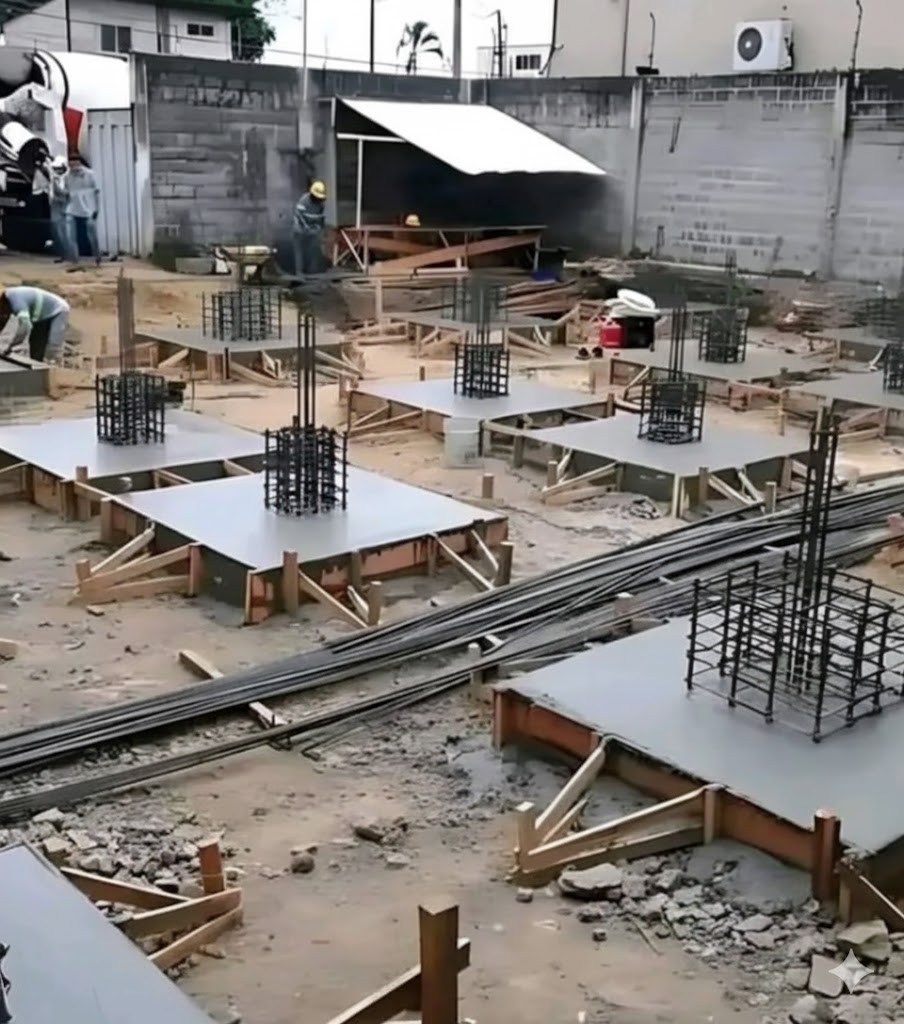

When we talk about constructing strong houses or office buildings, one thing we cannot ignore is proper column footing. Column footing is the base that supports the building, and it is very important to ensure that the structure does not weaken or collapse. Many people rush construction projects and forget that if the footing is not done correctly, problems can appear later, such as cracks, tilting, or even total structural failure.
In Nigeria, where soil types vary from one location to another, proper column footing is necessary to ensure that buildings remain stable and durable. Whether for small houses or large projects, if the footing does not follow the correct size, depth, or materials, it can affect the safety, stability, and comfort of the people who will live or work in the building.
Load Distribution
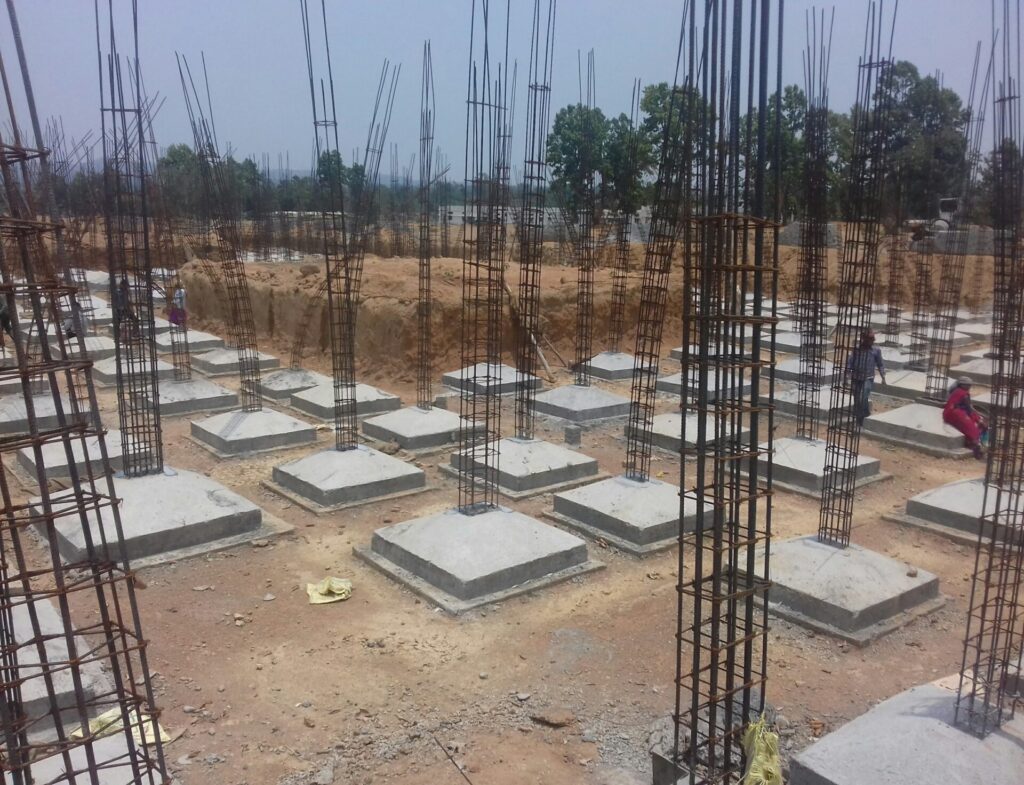
Column footings play a critical role in transferring the weight of a building from the columns down to the soil in an even and controlled manner.
If the footing is not properly designed or constructed, the building’s weight can concentrate on certain areas of the ground, which may lead to structural issues such as cracks, uneven settling, or even partial collapse. Proper load distribution ensures that the foundation supports the building safely and efficiently.
Stability
A well-constructed column footing provides stability to the entire building. It prevents unwanted movement, such as tilting or swaying, which is particularly important for taller structures.
Footings that are weak or poorly designed may cause the building to respond poorly to external forces such as wind, vibrations, or even everyday movement within the structure, thereby compromising safety.
Building Integrity
The strength and quality of the column footing directly affect the overall integrity of the building.
A strong footing ensures that the structure maintains its shape and durability over time, while a weak or faulty footing can lead to cracks in walls, bending of floors, and other structural deformations. Proper footings contribute to the longevity and safety of the entire building.
Soil Bearing Capacity
Every type of soil has a specific bearing capacity, that is the maximum weight it can safely support. Column footings are designed to match the soil’s capacity, preventing the building from sinking or tilting over time.
Ignoring soil characteristics can result in serious structural problems and expensive repair.
Prevention of Settlement
Settlement occurs when a building gradually sinks or tilts because the soil beneath it cannot adequately support its weight. Correctly designed column footings reduce the risk of uneven settlement, helping the structure remain level and stable throughout its lifespan.
Moisture Control
Proper footings also protect the building foundation from water infiltration. This prevents structural damage caused by moisture, such as rust in steel reinforcements, rot in wooden components, or the growth of mold that can weaken materials and create unhealthy living conditions.
Final Tip
Column footings are not optional, they are a fundamental part of any safe and durable building. Proper footings ensure structural stability, protect against damage, and increase the lifespan of a building.
Whether you are planning a new construction or renovating an existing property, always ensure your contractor uses well-designed and properly executed footings.For those exploring property options, Myplace.ng offers listings that highlight buildings with carefully considered structural features.






Leave Your Comment