
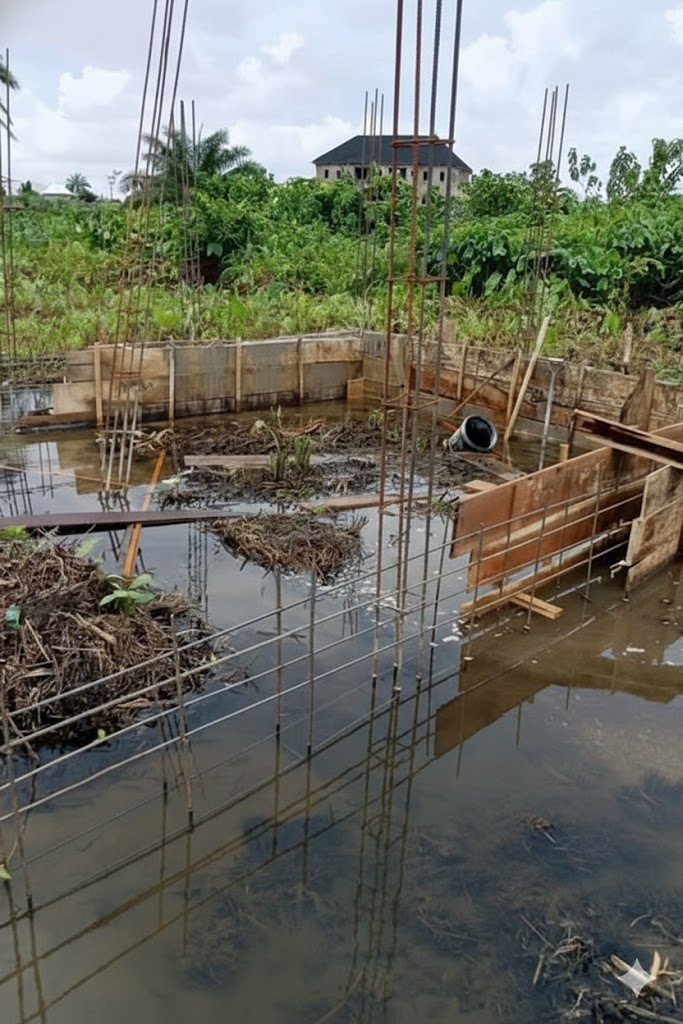

For years, many land buyers fall into problems they never expect. During the rainy season, everything looks the same. Water everywhere, soft ground, and areas that appear stable even when they are not. Flood covers defects, hides erosion paths, masks poor drainage, and even makes shaky land look normal. Because of this, people buy plots that later become sources of regret: boreholes that do not produce clean water, foundations that keep sinking, and buildings that cannot go beyond one decking
Now that the ground is dry, the real condition of most lands is finally showing. Cracks, dry patches, drainage issues, soil weakness, and hidden defects are easier to see. This is the period when smart buyers take their time to inspect, observe, and confirm what a land can carry, before putting down money.
Buying land is not just about price or location. It’s about understanding the soil, the water, and the long-term strength of the ground beneath your feet. When you know what the land can truly support, you avoid expensive mistakes.
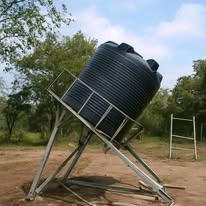
Not All Lands Support Boreholes
Many buyers assume every plot can produce clean, steady water, but that is not true. A land may look perfect on the surface and still fail completely when you try to drill a borehole. The underground condition matters more than what you see outside. Some lands have:
- Deep or unreachable water levels:
You may need to drill extremely deep before reaching water, which makes the project very expensive and sometimes not even possible. - Salty, metallic, or coloured water:
Some areas have water that tastes salty, stains clothes, damages pipes, or is unsafe for drinking. - Hard rocky layers:
These make drilling stressful and costly because special machines are needed to break the rock. - Low-yield water:
You may get water today, and in a few months the borehole will start drying up or producing very little.
This is why it’s important to ask neighbours about their boreholes, how deep they drilled, the cost, and the quality of their water.
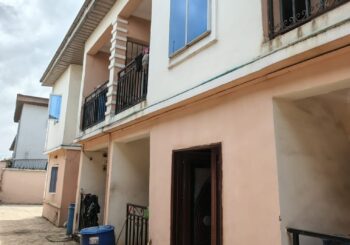
Not Every Land Can Carry a Multi-Storey Building
People often buy land with big building dreams, but soil strength differs from place to place. Two plots on the same street may behave differently when you start construction. Some lands have:
- Weak soil that cannot take heavy loads:
Such land will crack or sink if you put a multi-storey building on it. - Reclaimed ground that needs piling:
These are lands filled with sand or waste material in the past. They may look firm, but deep down they are unstable. Piling is expensive and compulsory before any heavy structure. - Waterlogged or marshy soil:
These lands retain water and can shift or sink over time, especially during rainy season. - Areas where engineers only recommend bungalows:
Some soils simply cannot carry more than one decking, no matter how strong the cement is.
If your plan includes upstairs, duplexes, or multiple decks, you must confirm the soil can handle the weight. A soil test can save you millions in the long run.
Dry Season Reveals Hidden Issues
Dry season is the most honest period to inspect land. Nothing is hiding under flood or wet soil. You see the land exactly as it is. This season exposes:
- Natural drainage pattern:
You can observe the direction water usually flows and whether the land collects water in certain spots. - Soil cracks and settlement:
These reveal lands that will sink or cause building cracks later. - True boundaries and access roads:
Bush clears, paths open up, and you can see whether the road to the land is natural or temporary. - Erosion channels:
Dry season exposes how erosion has been cutting into the land or surrounding areas. - Overall stability of the environment:
You can tell if the land is firm, if the neighbouring houses have cracks, and if the soil is strong enough to support long-term structures.
Dry season reduces guesswork and saves buyers from future regrets.
Final Tip
Land buying is not only about the price, it’s about the long-term safety and strength of the ground you’re investing in. Before putting your money down, do a proper soil test, confirm the borehole condition in that area, and know the type of building the land can support.
You can read about How to Know If Your Site is Wasting Cement




Leave Your Comment