
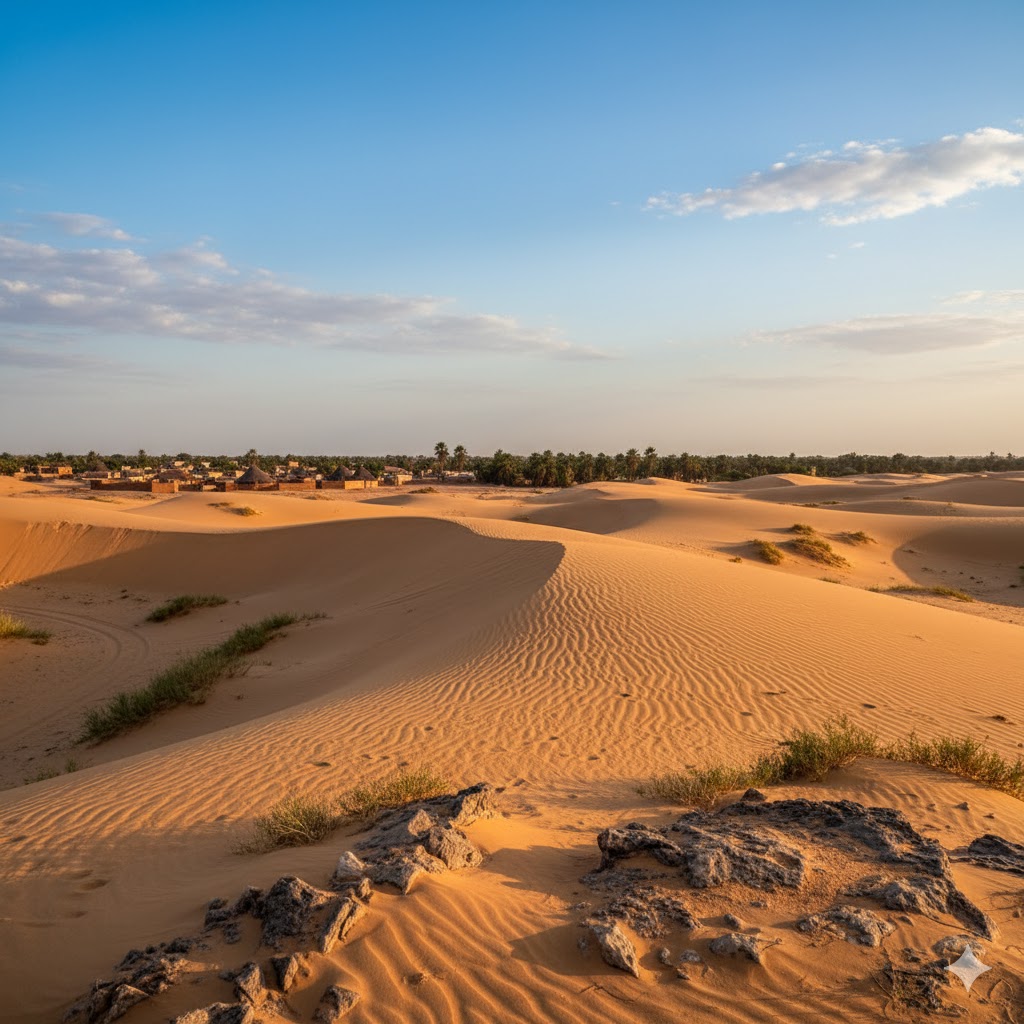

In Nigeria today, many people still mix up the different types of sand used in construction. You will hear someone say “just bring sand,” but they don’t really know if what they are buying is river sand, erosion sand, mountain sand, or filling sand.
This confusion makes people use the wrong material for the wrong purpose, which later affects the strength of their buildings. Understanding sand properly is not only for engineers; even everyday buyers, landlords, developers and site workers need this basic knowledge.
As a result of the rising cost of building materials, nobody wants to waste money on sand that will not do the job well. If the right sand is used, a building becomes stronger, the plastering comes out smooth, the blocks hold firm, and the entire structure lasts longer. But when the wrong type is used, it leads to cracks, weak blocks, rough plaster, and even failed foundations.
This is why knowing the difference is important for anybody involved in building, no matter how small the project may seem.
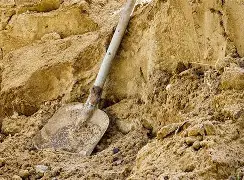
Erosion sand
Erosion sand, which many people also call sharp sand or pit sand, behaves differently. This one is rougher because it doesn’t come from water; it comes from dug-out areas where erosion has exposed natural deposits.
The particles are sharp, irregular and gritty when you rub them between your fingers. Builders prefer it for foundations and concrete work because the roughness allows it to bind well with cement, giving a stronger mix. Even though it sometimes contains tiny stones, its coarse nature makes it very strong for heavy-duty work, especially when constructing the base of a building.
Mountain Sand
Mountain sand has its own unique character. It is usually found around hilly and rocky areas, and it often contains stone dust because it comes from crushed or naturally weathered rocks. This makes it fine but dusty, and sometimes it dries up quickly when mixed with cement.
Builders use it mainly when moulding blocks or interlocking stones, but they also know that the dust must not be too much, otherwise the block may not hold well. When the dust content is controlled or the sand is washed, mountain sand produces blocks that come out firm and well-shaped.
Plaster sand
Plaster sand is specially chosen for finishing work. It is very fine, smooth and free of stones because it is meant for giving the walls a clean and even look. When used for plastering, it spreads neatly and makes the surface easy to paint.
Builders prefer it for the final touches of construction because the quality of plastering determines how beautiful the inside and outside of the house will look.
Filling Sand
Filling sand is a completely different category because it is not meant for block moulding or plastering at all. As the name suggests, this type of sand is mainly for filling up low land, raising the ground level or preparing a site before building begins.
It is not usually clean, and it can contain clay, roots and organic particles, which makes it unsuitable for any structural work. Its job is simply to add volume and level the land, after which a stronger sand like sharp sand is added for the actual foundation.
Why this Matters
Using the wrong type of sand in construction can create serious problems that may not show immediately but will cause damage over time. When the sand is too dirty, too coarse, or not suitable for the specific stage of building, it weakens the mixture of cement and reduces the overall strength of the structure.
This is why you see cracked walls, weak blocks that break easily, rough plastering, and buildings that start to deteriorate faster than expected. These issues usually come from using sand that cannot bond well with cement or sand that carries impurities like clay, stones, and organic matter.
Aside from structural problems, wrong sand also leads to financial waste. Builders spend more cement trying to correct the poor mixture, repairs become frequent, and in some cases, parts of the building have to be redone entirely.
All these increase the overall cost of construction. When you know the difference between sand types, you can confidently buy the right material for each stage of the project, avoid unnecessary spending, and ensure that the building remains strong, neat, and durable for many years.
Final Words
Understanding the different type of sand can save a homeowner or builder from mistakes that may cost money or compromise the strength of a building. Using the right type of sand at each stage of the project ensures durability, reduces waste, and gives a better finish.
At MyPlace.ng, we remain committed to helping Nigerians make better real estate and construction decisions, starting with the basic materials that form the foundation of every home.
If you found this helpful, you may also want to read our guide on Five Building Materials and how their prices affect you. These resources will help you make better building decisions, avoid costly mistakes, and get the best results from your materials.



Leave Your Comment