
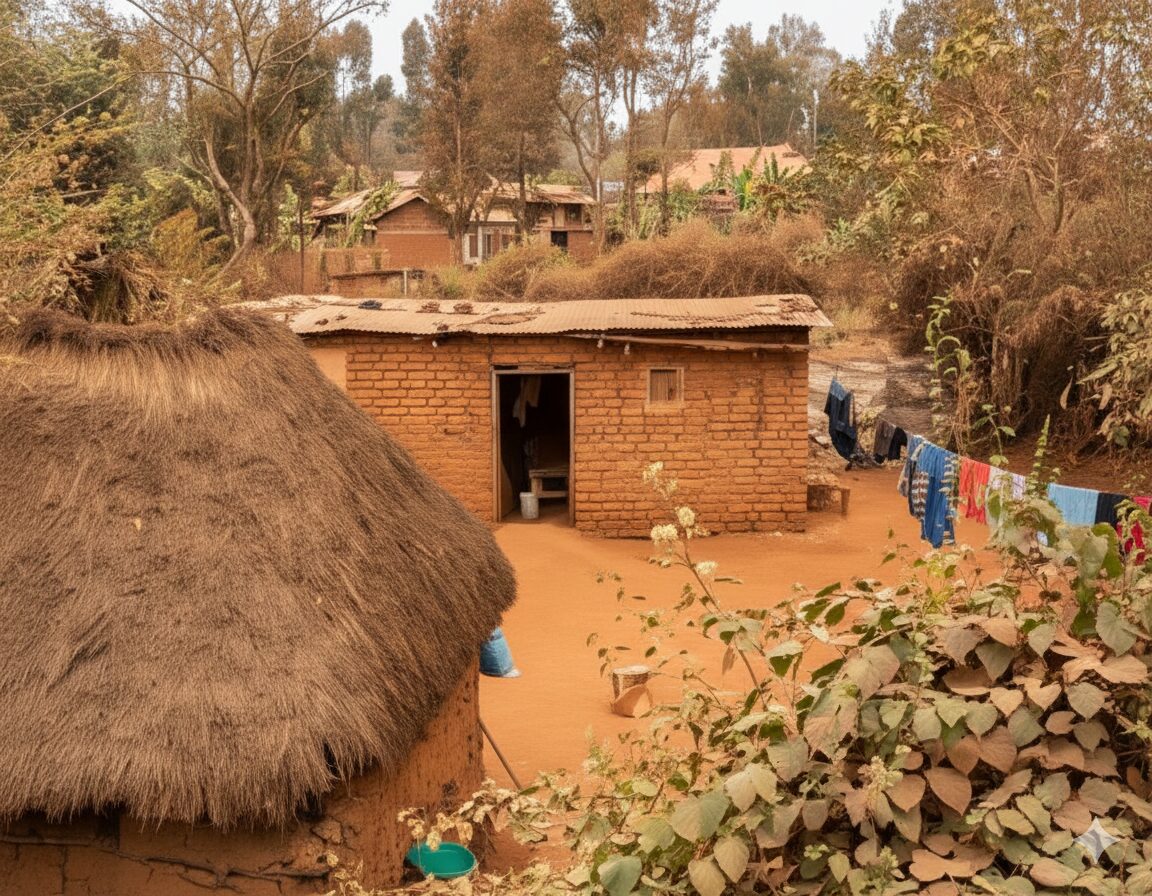

In today’s Nigeria, success is usually measured by how long one can survive in big cities like Lagos, Abuja, or Port Harcourt. Living in the city is seen as proof of achievement, while returning to the village is viewed as failure. This mindset has caused many people to suffer silently under the weight of high rent, daily transportation costs, and constant financial pressure. The truth, however, is that relocating to the village is not a punishment; it can be a deliberate and intelligent decision toward long-term stability.
Across different parts of the country from Edo, Anambra, Enugu, and Ondo, many young Nigerians are making quiet but bold moves back home. These are not people who have given up on life. Rather, they are individuals who have realised that survival without progress is not success. Instead of renewing expensive rent yearly, they choose an environment where their income can actually work for them. The village offers something the city often does not: breathing space to plan, save, and build.
A practical example can be seen in a young man from Nsukka who spent years hustling in the city with little to show for it beyond rent receipts. After returning to his village, he started a small poultry business, combined it with online freelance work, and gradually began building his own house. With no landlord pressure and fewer expenses, he found clarity and direction. What the city could not give him in years, the village helped him achieve through focus and patience.
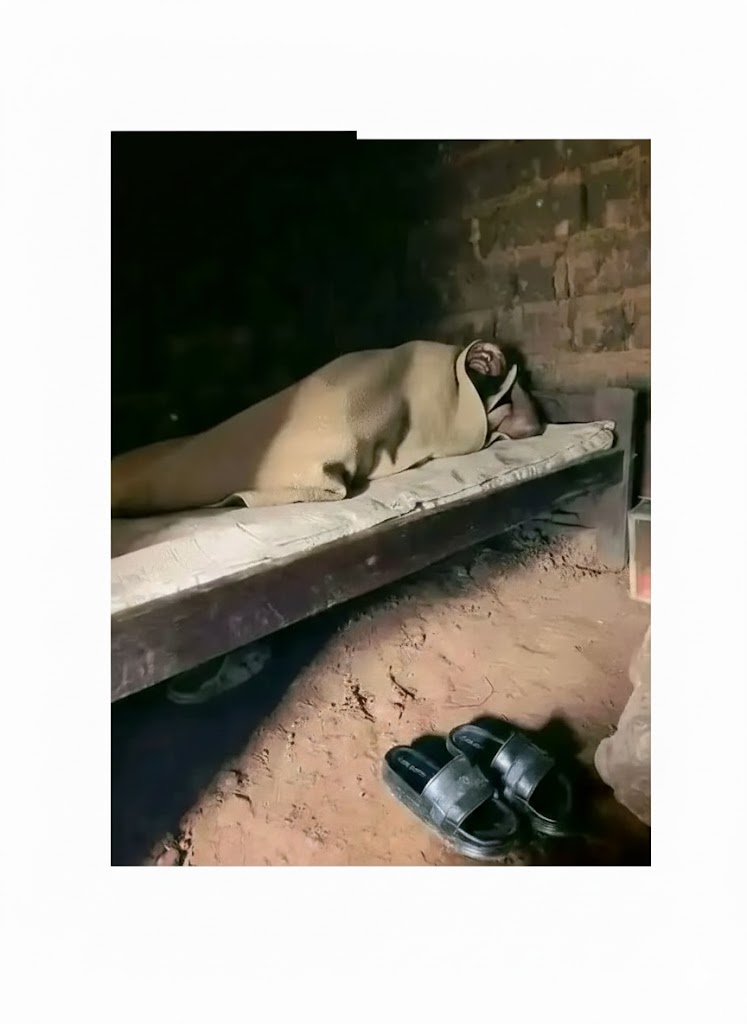
How Village Life Can Stretch Your Money
One of the strongest advantages of village life is the low cost of living. Rent is either very affordable or completely unnecessary, and this alone reduces financial stress significantly. The money that would normally go into rent, frequent transport, and city survival can be redirected into tangible assets such as land, building projects, farming, or small-scale businesses. This shift alone can change a person’s financial future.
Another common misconception is that people in the village lack ambition or intelligence. In reality, many villagers are strategic thinkers with clear goals. Some are farmers using modern techniques, others are traders, artisans, or digital workers who operate online while enjoying the calm environment of home. The reduced noise and pressure of village life often allow people to think more clearly, make better decisions, and focus on sustainable growth rather than daily survival.
Building a house in the village also allows for gradual progress without shame or competition. One can start with laying a foundation today, mould blocks later, and complete roofing when resources permit. There is no rush and no social pressure to impress. What matters is consistency. Those who start early, even with small steps, often end up more secure than those who keep postponing building plans while paying rent year after year in the city.
Final Tips
Rather than seeing the village as a step backward, view it as a strategic base for growth, most especially if your hustle or skill can thrive outside major cities because it allows you to cut unnecessary expenses, save more, and reinvest in tangible assets like land or a home.
You can use a platform like MyPlace.ng to search, compare, and connect with property listings and agents nationwide, which can make finding the right plot or house for building at home easier and more secure. All you have to do is to start small with gradual, intentional progress from foundation first, then roofing.
Don’t stop here! Discover more articles on our site
Why Some People Build Fast and Others Remain at Foundation Level
Foundation Failure: When Wall Cracks are a Serious Structural Warning






Leave Your Comment