
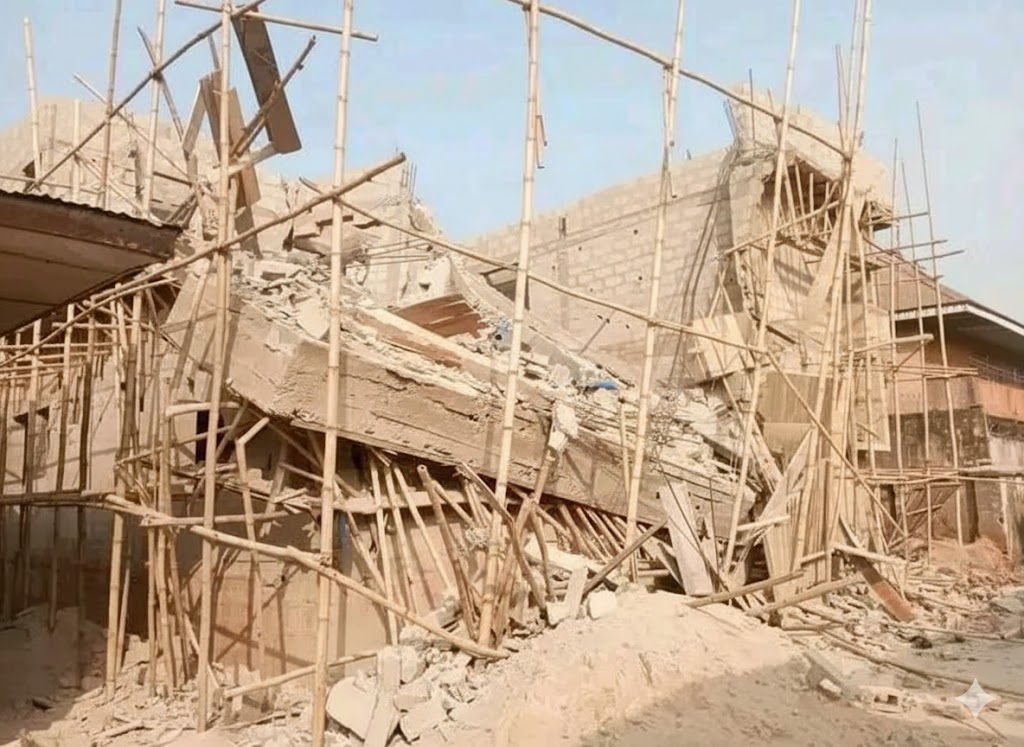

Whether you have ₦20 million for a 5-bedroom duplex or ₦10 million for a 4-bedroom bungalow, every naira counts when building your home. Your investment is not just about creating a beautiful space, it’s about creating a structure that will stand the test of time. Durability is what ensures your home remains safe, functional, and valuable for decades. Without it, even the most visually appealing building can crumble under the weight of neglect or poor construction.
Durability doesn’t come from paint, tiles, or fancy finishes, it comes from strong materials, proper planning, and professional expertise. Stability, safety, and durability are the foundation of a lasting home. Skipping these critical elements may save money today but can lead to expensive repairs or structural failure tomorrow.
Understanding what goes into a durable building is essential. From soil testing to construction techniques and quality control, every step influences the longevity of your home. By prioritizing durability now, you’re not just building a house, rather you’re safeguarding your family, your finances, and your peace of mind for years to come.
Why Stability and Durability Matters
A building’s strength is not in its paint or tiles; it lies in the foundation and the processes behind construction. Here’s what you need to focus on:
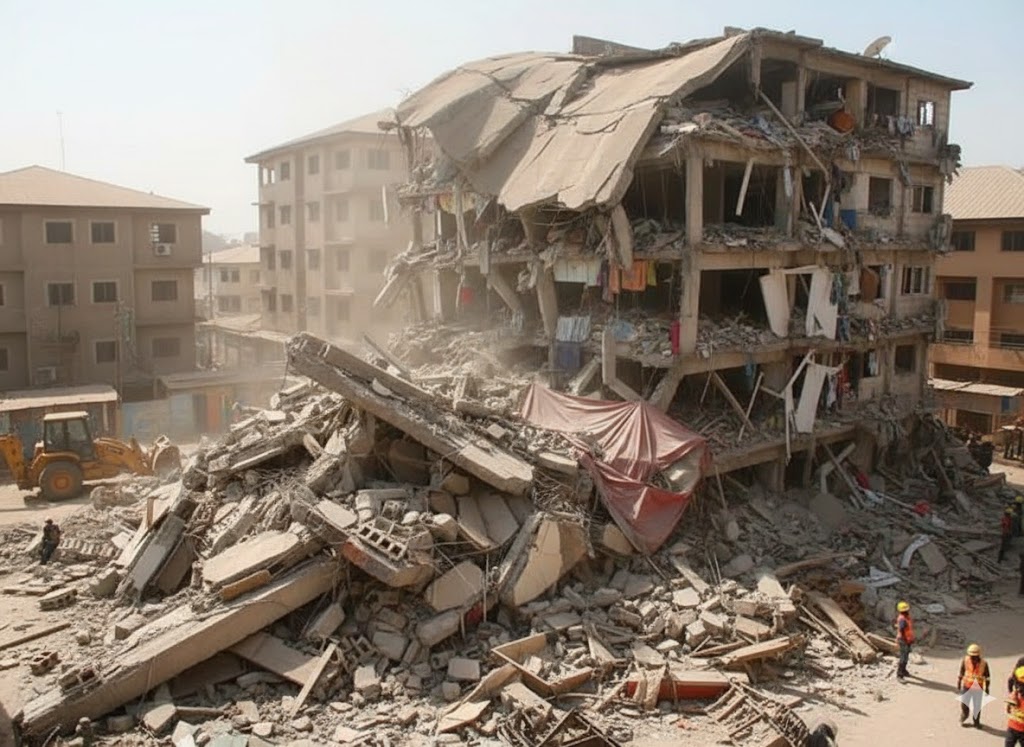
Quality of Materials
The materials used in construction form the backbone of any durable and stable building. High-grade cement, steel, sand, and blocks ensure that your structure can withstand daily wear, environmental factors, and the test of time. Cement of poor quality may lead to weak concrete, steel that is not properly reinforced may bend or rust, and substandard blocks can crumble under pressure. Cutting corners on essential materials might save money initially, but it compromises the safety and longevity of the building. Choosing the right materials is not just a matter of aesthetics or budget, it’s an investment in a home that lasts.
Construction Process
Even with the best materials, the construction process itself plays a critical role in determining the strength of a building. Proper curing of concrete, precise measurements, and meticulous workmanship are essential to ensure stability and durability. Concrete that is not cured correctly may crack or weaken over time, while inaccurate measurements can lead to misaligned walls, uneven floors, and structural imbalances. Rushing construction or skipping essential steps may lead to shortcuts that compromise the building’s integrity. A careful, well-executed construction process ensures that your house is built to last.
Quality Assurance (QA) and Quality Control (QC)
Quality Assurance (QA) and Quality Control (QC) are critical mechanisms to maintain standards throughout a construction project. QA involves establishing proper construction procedures, planning, and guidelines to ensure the project follows best practices.
QC, on the other hand, involves monitoring and inspecting every stage of construction to confirm that materials, workmanship, and processes meet the required standards. Without these checks, even top-quality materials and skilled labor may fail to produce a durable structure. QA and QC act as safeguards, preventing mistakes that could lead to structural weaknesses or costly repairs in the future.
Professional Expertise
The role of experienced engineers, architects, and construction professionals cannot be overstated. They provide guidance on everything from soil testing and foundation design to structural planning and load distribution. Certain sites, such as sloping land, waterlogged areas, or soils prone to settlement, require technical knowledge to ensure a strong foundation and long-lasting construction.
Attempting to handle these complexities without professional input, through DIY approaches or guesswork can lead to dangerous outcomes, including foundation failure or structural collapse. Professional expertise ensures that every critical decision is informed, precise, and aligned with the goal of building a safe, stable, and durable home.
Final Tip
When building your home, always prioritize strength, safety, and durability over aesthetics, because a beautiful finish means little if the structure cannot stand the test of time. Invest in quality materials and skilled professionals as this upfront commitment saves you money, stress, and potential disasters in the long run.
Remember, a home that looks good but isn’t durable isn’t truly beautiful; it becomes a liability. Build smart, build strong, and build to last. Start your journey to a safe, lasting home today with MyPlace.ng, your trusted partner in real estate and construction solutions.





Leave Your Comment